
The journey of a startup is an exciting ride, filled with innovation and the promise of groundbreaking discoveries. The path often hits a roadblock, though, when it comes to acquiring essential scientific instrumentation. Financing scientific instrumentation for startups is a common challenge, and the right structure can make it manageable.
Which lab equipment financing works best for startups with limited operating history? Capital leases and used equipment financing are usually the most accessible options, because lenders weigh the equipment’s value and the vendor’s quote heavily, not just years in business. Sale-leasebacks require equipment you already own, and loans typically depend on a stronger credit history.
For many early-stage companies, the cost of advanced equipment is a significant hurdle. According to a recent CASRAI article, financing lab equipment — rather than paying cash from a scarce seed round — is one of the most consequential early capital-allocation decisions a founding team makes, and one that most first-time founders have never had to evaluate before.
Traditional bank loans may be hard to obtain without a long credit history, and that can delay critical research and development. Fortunately, financing programs are designed for the needs of startups. Understanding the options lets you secure the equipment you need without draining your capital.
Navigating the Financial Landscape: Financing Scientific Instrumentation for Startups
Startups can finance scientific instruments through several structures, and each one changes who owns the equipment, how payments work, and what happens at the end of the term. The right choice depends on your operating history, your cash position, and how long you expect to use the equipment.
The Challenges With Financing Scientific Instrumentation for Startups
- Capital Constraints: Early-stage teams often have limited cash to pay for equipment upfront, and that gap can stall experiments.
- Credit History: Young companies have a thin track record, which makes unsecured bank loans harder to obtain.
- Rapid Technological Advancements: Instruments can become outdated quickly, so a long fixed commitment may not match how fast the lab’s needs change.
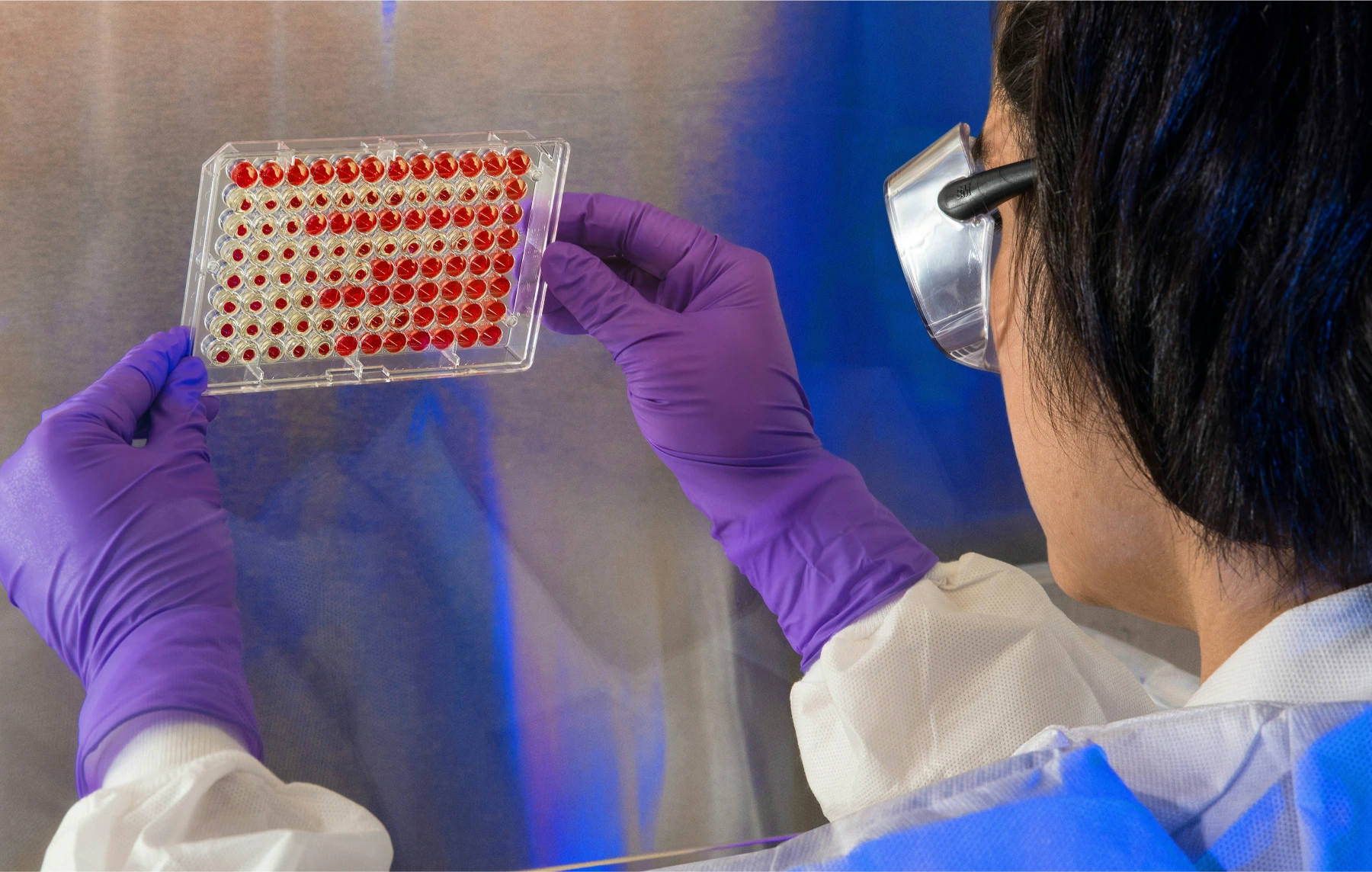
How lenders evaluate a startup’s equipment request
Beyond the challenges above, lenders typically weigh four factors:
- Operating history: how long the company has operated and whether it has revenue or funding history to point to.
- Cash reserves: how much runway the company has to cover payments for the full term.
- Equipment value: how well the instrument holds its value and how easily it can be resold or re-leased.
- Vendor quote quality: a detailed, itemized quote from a reputable vendor, with model numbers, installation, and service costs, gives the lender a clear basis for valuation.
Financing Solutions for Startups
Financing scientific instrumentation for startups typically takes one of four structures, which cover most lab equipment needs. Each one changes who owns the instrument, how payments work, and what happens at the end of the term.
- Capital lease. Preserve your capital while acquiring lab equipment. Payments work like a loan, and at the end of the term you own the equipment for a nominal buyout fee, typically $1. Capital leases suit centrifuges, PCR systems, and benchtop analytical instruments you plan to keep for their full useful life.
- Sale-leaseback. Turn equipment you already own into working capital. We purchase the asset, provide cash, and lease it back to you for monthly payments. This suits liquid handlers and other instruments your company has already bought outright.
- Used equipment financing. Used and refurbished instruments can deliver strong value for early-stage labs. Financing is available for pre-owned analytical instruments, such as HPLC systems and mass spectrometers, when the seller provides a documented quote.
At a Glance: Comparing your options for financing scientific instrumentation for startups
| Option | Who owns the equipment | Best for | Main limitation | Ask before signing |
|---|---|---|---|---|
| Capital lease | You, after the nominal buyout at term end | Core instruments you will keep long term | Total cost can exceed the purchase price | What is the buyout amount at the end? |
| Sale-leaseback | You sell it, then lease it back | Companies that already own instruments | Requires equipment you already own | What is the monthly payment and term? |
| Used equipment financing | You, after the nominal buyout at term end | Pre-owned instruments with a documented quote | Equipment should be sourced from reputable seller | Does the quote support the requested amount? |
Financing vs. leasing
Financing and leasing both spread the cost of equipment over time, but they differ in three ways.
- Ownership: With financing, the company owns the instrument from the start, subject to the lender’s lien. With equipment leasing for startups, the lessor keeps ownership until the lease ends. A capital lease transfers ownership at a nominal buyout, so it works more like financing.
- Term flexibility: Financing terms usually match the equipment’s useful life. Leases can offer shorter terms or upgrade options, but may carry a higher total cost.
- End-of-term options: Typical choices include a nominal buyout, a fair market value purchase, renewal, or return of the equipment. Confirm which applies in the agreement before signing.

Best Fit by Startup Stage
New labs
Capital leases and used equipment financing are usually the most accessible options, since lenders weigh equipment value and quote quality heavily. Start with modest purchases tied to your core experiments, and add instruments as operating history builds.
Early-stage biotech companies
Capital leases fit the core instruments you will use throughout development. Sale-leasebacks become an option once the company has bought equipment outright, which can free cash for hiring or trials.
Teams with under 50 employees
Smaller teams benefit from predictable monthly payments and clear end-of-term terms. Compare total cost, including buyout fees and service contracts, rather than the monthly payment alone.
Frequently Asked Questions
Can startups qualify without long operating history?
Often, yes. Lenders look at the equipment’s value, the quality of the vendor quote, cash reserves, and the team’s background alongside time in business. Asset-based structures such as capital leases and used equipment financing are generally more accessible than unsecured loans.
Is used lab equipment financeable?
In many cases. Lenders usually ask for a current, itemized quote and may limit the term to the equipment’s expected useful life.
Is leasing or buying better for a biotech startup’s lab equipment?
It depends. Equipment that changes quickly, such as sequencers and imaging systems, often suits a lease with an upgrade path, so you can move to newer models without carrying an aging instrument. Long-lived equipment you expect to use for years is usually a better fit for a loan or finance lease, which gives you ownership and can offer tax benefits.
Overcome Financial Obstacles, Accelerate Growth
Financing scientific instrumentation for startups is easier when the structure fits your stage. The right financing structure lets your startup get the instruments it needs without draining working capital. To learn more about how Bold View Capital can help your startup secure the necessary funding for scientific instrumentation, download our Instrument Leasing and Financing for Startups eBook or contact us today.